Loading...

content strategy

data sources

How to Identify Your Target Audience Using Data (Not Guesswork)

Many businesses say they know their audience. But when you look closely, most of them are guessing. They assume who their customers are.They assume what people want.They assume why content is not working. Data removes assumptions.It replaces guesswork with clarity. This blog will show you how to identify your real target audience using data you already have — without making things complicated. Why guessing your audience hurts your content When you guess your audience: This happens because your content is not aligned with real behaviour. People tell you who they are through their actions.You just need to observe. Studies show that businesses using data-driven marketing are significantly more likely to improve customer engagement and acquisition. What “data” actually means in content marketing Let’s simplify this first. Data does not mean complex dashboards.It does not mean expensive tools. Data simply means: These signals are already available to you. You just need to read them correctly. Start with your existing customers (most reliable data) Your current customers are your strongest signal. Look at: Ask yourself: Patterns will appear. Example: Logistics company You may notice: Same service.Different audience segments. This insight should guide your content creation. Use website analytics to understand intent Your website tells a story. You need to look beyond page views. Pay attention to: What this tells you If people spend time on educational pages but leave pricing pages, they are still learning. Your content should support that stage. Analytics tools help businesses understand user behavior, intent, and content performance beyond surface-level traffic numbers. Search queries reveal real audience questions Search data is one of the most honest data sources. Look at: These queries show: Example: SaaS business Search queries like: This tells you: Create content accordingly. Social media engagement shows interest, not popularity Likes don’t define your audience.Engagement does. Track: Ask: Example: Interior design business The second audience is more valuable. Data helps you see that clearly. Use competitor data to validate your assumptions Competitor analysis is not about copying content. It helps you understand: Look at: If many competitors answer the same question poorly, that’s your opportunity. Better clarity beats originality. Segment your audience using real behavior Once you collect data, group your audience. You don’t need complex segments. Simple segments work best. Examples: Each segment needs: This is where many businesses fail.They create one message for all segments. Connect data with buyer personas Data becomes powerful when you turn it into personas. A data-backed persona includes: This avoids imaginary personas. We explain this clearly in our next guide:How to Create Buyer Personas That Actually Improve Content Performance Industry-specific examples of data-driven audience identification Manufacturing & Exports Data source: Insight: Content needed: SaaS & Technology Data source: Insight: Content needed: Logistics & Transport Data source: Insight: Content needed: Real Estate & Interior Design Data source: Insight: Content needed: Common mistakes while using data Avoid these mistakes: ❌ Looking only at traffic numbers❌ Ignoring intent behind clicks❌ Chasing viral content❌ Not updating insights regularly Data should guide decisions, not overwhelm you. Small insights, applied consistently, work best. How this fits into your content strategy This is your flow: This entire flow is explained in our pillar guide:What Content Reaches the Right Audience (And How You Can Do It Right) Final thoughts You don’t need to guess who your audience is. They are already telling you: Data helps you listen. When you build content based on real behavior:

How to Identify Your Target Audience Using Data (Not Guesswork) Read More »
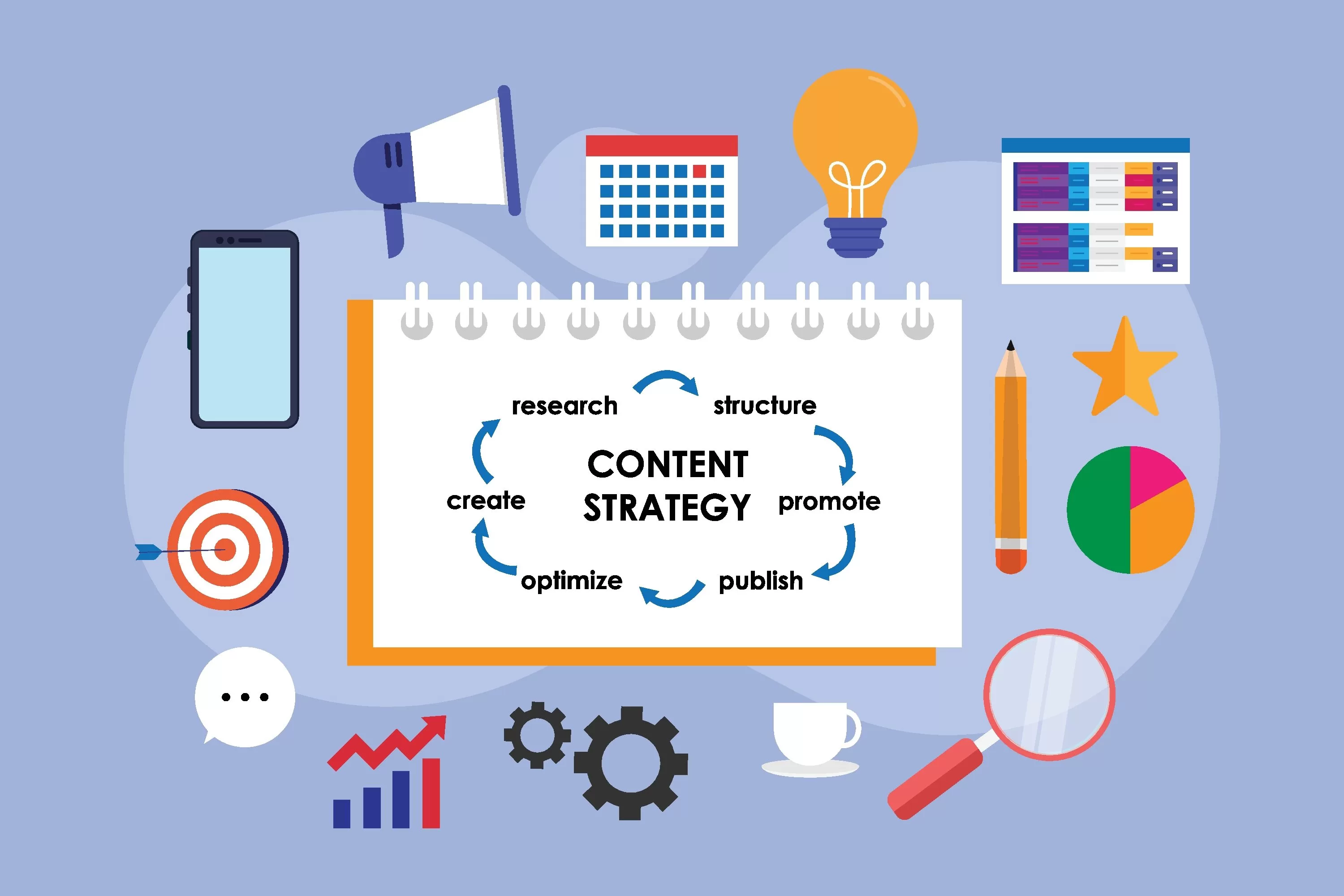
content strategy marketing plan and digital management 2d flat vector illustration

What Content Reaches the Right Audience (And How You Can Do It Right)

You create content.Blogs. Website pages. Social posts. But engagement is low.Traffic doesn’t convert.Leads don’t feel “right”. This doesn’t mean your content is bad.It means your content is not reaching the right audience. In today’s digital space, visibility alone is not enough.Relevance decides everything. This guide will help you understand: Why most content never reaches the right people The internet is crowded.Your audience has options. Most content fails because: Search engines and AI platforms don’t promote content because it exists.They promote content because it answers a question clearly. If your content does not solve a real problem for a specific group, it gets ignored. What does “right audience” actually mean? Your right audience is not “everyone online”. Your right audience is the group of people who: You may have more than one right audience. That’s normal. Example: A logistics company may serve: Same service.Different questions.Different content needed. This is why understanding your audience matters so much. Why defining your audience improves results instantly When you define your audience clearly: Instead of guessing what to post, you start answering real questions. According to Forbes, content that is tailored to a specific audience performs better in engagement and trust than generic messaging. Clear audience focus also helps search engines and AI systems understand: How search engines and AI evaluate your content Search engines and AI systems don’t “read” content like humans.They analyze patterns. They look for: When your website consistently answers questions for one audience, you build topical authority. This is one of the strongest ranking signals today. Random content does not build authority.Connected content does. How you can identify the audience your content should target You don’t need advanced tools to start.You need clarity. 1. Look at your existing customers Your current customers already tell you a lot. Ask: Their behavior reveals search intent. Here’s how you can identify your target audience using data. 2. Observe competitors without copying them Competitor research is not about imitation. It helps you understand: Search engines reward better explanations, not duplicates. 3. Create buyer personas you can actually use A buyer persona should guide daily decisions. A useful persona includes: Not just age and location. Creating content that truly connects with your audience Good content does one thing well.It helps. Audience-centric content: This is why educational content consistently outperforms promotional content. Industry examples: This type of content reduces confusion and builds confidence. Making sure your content gets discovered Great content that cannot be found is wasted effort. To improve discovery: Search engines and AI systems prefer clarity over creativity. If someone searches: Why structure matters more than keywords today Keyword stuffing no longer works. What works: This helps: Structure tells machines: “This content is reliable.” Measuring whether your content is reaching the right audience Not all metrics matter equally. Focus on: High traffic with low engagement means wrong audience.Lower traffic with strong engagement means right audience. Data helps you refine, not restart. Content success is a continuous process Content is never “done”. Audience needs change.Search behavior evolves.Platforms update. The cycle is simple: When you follow this consistently, content becomes a long-term business asset. Final thoughts Content that reaches the right audience is not accidental.It is intentional. When your content: It stops being noise.It starts building trust. And trust is what converts attention into business.

What Content Reaches the Right Audience (And How You Can Do It Right) Read More »