How to Create Buyer Personas That Actually Improve Content Performance
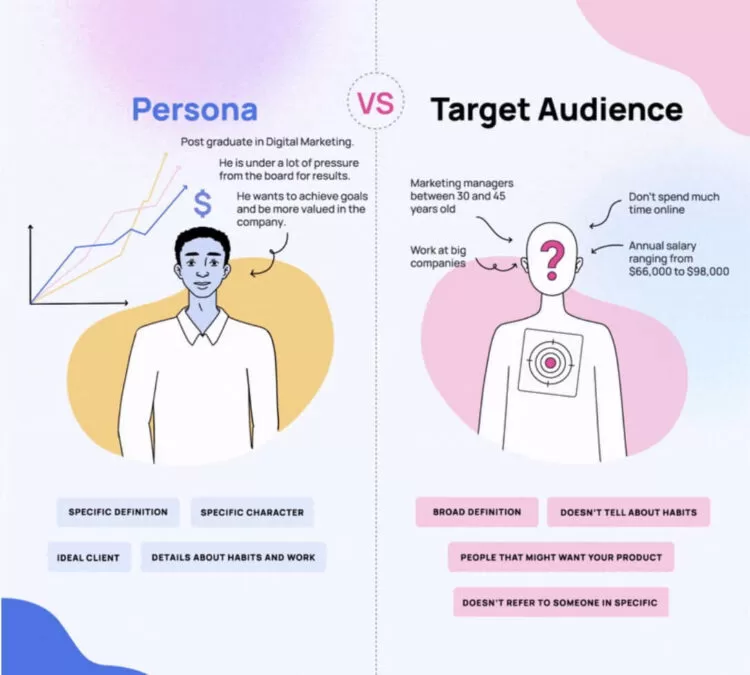
You may already have buyer personas. But ask yourself honestly:Do you actually use them while creating content? Most personas look good in presentations.Very few help with real decisions. This blog will help you create buyer personas that are practical, usable, and effective — not just documents that sit unused. Why most buyer personas don’t work Buyer personas fail when they are: When personas are built on guesses, content becomes disconnected. Data-driven personas perform better because they reflect real behavior, not opinions.This is why modern content strategies rely on behavioral insights rather than assumptions. Data-driven marketing is no longer optional. What a buyer persona really is (in simple terms) A buyer persona is a profile of a real decision-maker. It helps you answer: A good persona guides: If it doesn’t help with these, it’s not useful. Buyer persona vs target audience (important difference) These two terms are often mixed up. Example: Your content should feel like it’s written for one person, not a crowd. What information actually matters in a buyer persona You don’t need 20 fields.You need the right ones. A practical buyer persona includes: 1. Role and responsibility What do they do daily?What decisions do they influence? 2. Core problem What frustrates them?What is slowing them down? 3. Search behavior What do they type into Google?What kind of content do they read? Search behavior is one of the strongest intent signals. That’s why it’s crucial to understand search intent. 4. Decision stage Are they: Each stage needs different content. 5. Objections What makes them hesitate? Good content addresses objections early. How to build buyer personas using real data You don’t need expensive tools. Start with what you already have. Use website data Look at: This shows: Analytics helps you understand user intent, not just traffic. Use search data Search queries show real questions. If people search: Your persona should reflect that stage. Use sales and support questions Your sales calls and emails are gold. Write down: These inputs make personas realistic. Industry-specific buyer persona examples SaaS Company Persona: Operations ManagerProblem: Manual processesSearch behavior: “Best automation tools for teams”Content that works: Use cases, comparisons, demos Logistics & Transport Persona: Export CoordinatorProblem: Delays and complianceSearch behavior: “Customs clearance process India”Content that works: Step-by-step guides, checklists Manufacturing & Exports Persona: Procurement HeadProblem: Vendor reliabilitySearch behavior: “Certified Indian exporters”Content that works: Compliance content, capability explainers Real Estate & Interior Design Persona: First-time buyer or office managerProblem: Wrong decisionsSearch behavior: “Things to check before buying property”Content that works: Planning guides, budget breakdowns These examples show how personas guide what content to create. How buyer personas improve content performance When personas are clear: This happens because your content speaks directly to the reader. Behavioral segmentation improves relevance and response rates Common mistakes to avoid Avoid these errors: ❌ Creating personas once and never updating them❌ Using job titles without behavior insights❌ Writing one persona for all services❌ Ignoring different decision stages Buyer personas should evolve with: How buyer personas connect to your content strategy Buyer personas sit between data and content. The flow looks like this: This complete flow is explained in our pillar guide:What Content Reaches the Right Audience (And How You Can Do It Right) Final thoughts Buyer personas are not theory.They are practical tools. When built correctly, they: Before creating your next blog, page, or campaign, ask: “Which persona is this for?” If you can answer that clearly, your content is already stronger.
How to Create Buyer Personas That Actually Improve Content Performance Read More »